- vikasriam
- March 09, 2024
Network Cable Management 102: Tools of the Trade
Welcome back to our series on mastering the art of cable management. After understanding the significance of cable management in “Network Cable Management 101: Why It Matters,” it’s time to dive into the essentials—the tools of the trade. Having the right tools can significantly ease the process of managing cables, ensuring a clean, efficient, and safe network infrastructure. Let’s explore the key tools you’ll need to tackle any cable management project.
1. Cable Ties
Cable ties, also known as zip ties, are the quintessential tool for cable management. They are simple, versatile, and invaluable for bundling cables together neatly. Cable ties come in various materials, lengths, and strengths, including nylon, metal, and Velcro. While nylon ties are common for their durability and strength, Velcro ties offer the advantage of reusability and are gentle on the cables.

2. Cable Labels
Cable labels are crucial for identifying cables at a glance. They save time during maintenance, troubleshooting, and upgrades. Labels can be as simple as handwritten tags or as sophisticated as color-coded, machine-printed markers. The key is consistency and clarity in your labeling system.

3. Cable Trays and Ducts
Cable trays and ducts provide a pathway for managing cables across different parts of a building or data center. They help in organizing cables horizontally and vertically, protecting them from environmental hazards and reducing clutter. Material options include metal, plastic, and fiberglass, each offering different benefits in terms of strength, flexibility, and cost.

4. Cable Sleeves and Tubing
Cable sleeves and tubing offer an excellent way to bundle multiple cables into a single, neat tube. They not only improve aesthetics but also protect cables from dust, water, and physical damage. Sleeving can be made from flexible materials like neoprene or rigid materials like PVC, depending on the level of protection and flexibility required.

5. Patch Panels and Mounts
Patch panels serve as a central point for connecting and managing the cables that go to different devices. They simplify the cable management process by consolidating connections, making it easier to change the layout without extensive rewiring. Mounts and racks provide the physical infrastructure to support your network equipment and cable organization, helping maintain order and ease of access.
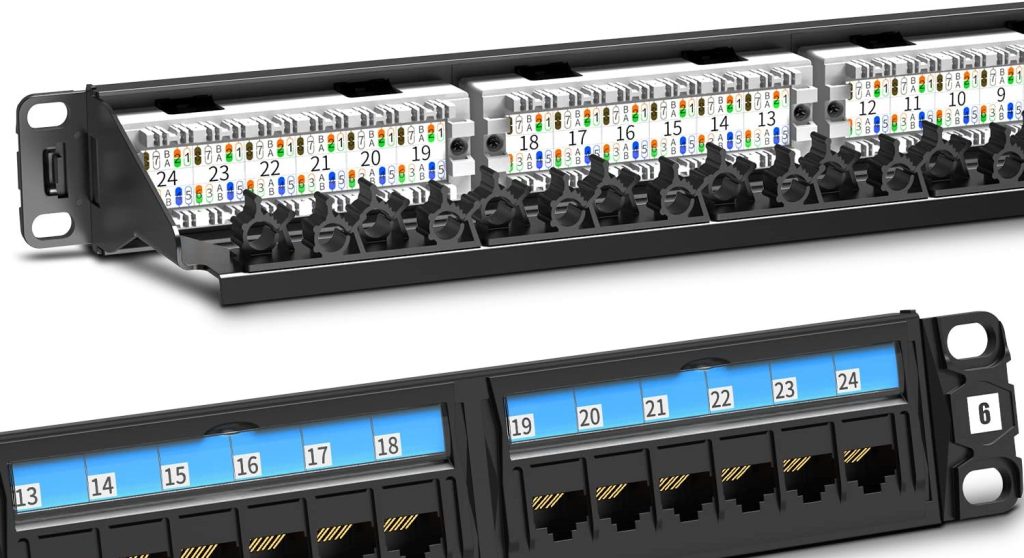
6. Cable Management Panels and Rings
Cable management panels and rings attach to your rack or enclosure and provide anchor points for routing cables. They help maintain proper bending radii and organize cables, preventing tangling and strain.

Tools for Installation
Lastly, a set of basic installation tools is indispensable. This includes wire cutters for trimming cable ties, scissors or cable shears for cutting sleeving, and label makers for creating custom labels. A cable tester is also invaluable for ensuring the integrity of your connections after installation.
Conclusion
Equipping yourself with these tools of the trade is a critical step toward effective cable management. Not only do they facilitate a cleaner, more organized workspace, but they also enhance the performance and reliability of your network infrastructure. Remember, the goal of cable management is not just to improve aesthetics but to ensure the longevity, safety, and efficiency of your network. As you continue on this journey, stay tuned for “Cable Management 103: Techniques and Best Practices,” where we’ll dive deeper into how to use these tools effectively to achieve a well-managed network environment.