- vikasriam
- April 21, 2024
Structured Cabling Safety at Hazardous Sites: Best Practices and Guidelines
Structured cabling is critical in ensuring robust and reliable network infrastructure. However, when the cabling has to be performed in hazardous environments, such as sites containing petroleum products and explosives, safety becomes paramount. This blog explores the best practices, dos, and don’ts for structured cabling under such high-risk conditions.
Understanding the Risks
Hazardous sites, such as oil refineries, gas stations, and areas storing explosives, pose unique risks due to the presence of flammable gases, vapors, and substances. The risks include potential fires, explosions, and exposure to harmful chemicals, making it essential to adhere strictly to safety protocols and best practices.
Best Practices for Structured Cabling at Hazardous Sites
1. Conduct a Thorough Site Assessment
Before any cabling activities begin, conduct a detailed risk assessment of the site. Identify potential hazards and determine the zones where explosive atmospheres may occur. This assessment should guide the selection of equipment and the planning of cabling routes.
2. Use Intrinsically Safe Equipment
Only use equipment certified as intrinsically safe or explosion-proof. These devices are designed to ensure that they cannot ignite a hazardous atmosphere, even if they fail. This includes tools, cabling, and any electronic equipment used on-site.
3. Implement Strict Zoning Regulations
Hazardous areas are classified into zones based on the risk level of explosive atmospheres. Ensure that cabling practices comply with these zones, using appropriate materials and methods specific to each zone’s requirements.
4. Ensure Proper Grounding and Bonding
Proper grounding and bonding of equipment are crucial to prevent static electricity build-up, which could lead to sparks and, consequently, an explosion. Ensure all cabling and equipment are properly grounded and regularly inspected.
5. Follow Occupational Safety and Health Regulations
Comply with local and international safety standards and regulations, such as OSHA (Occupational Safety and Health Administration) in the U.S., which provide guidelines on working in hazardous environments. Regular training and certification in these standards are essential for all personnel.
Dos and Don’ts of Structured Cabling at Hazardous Sites
Dos:
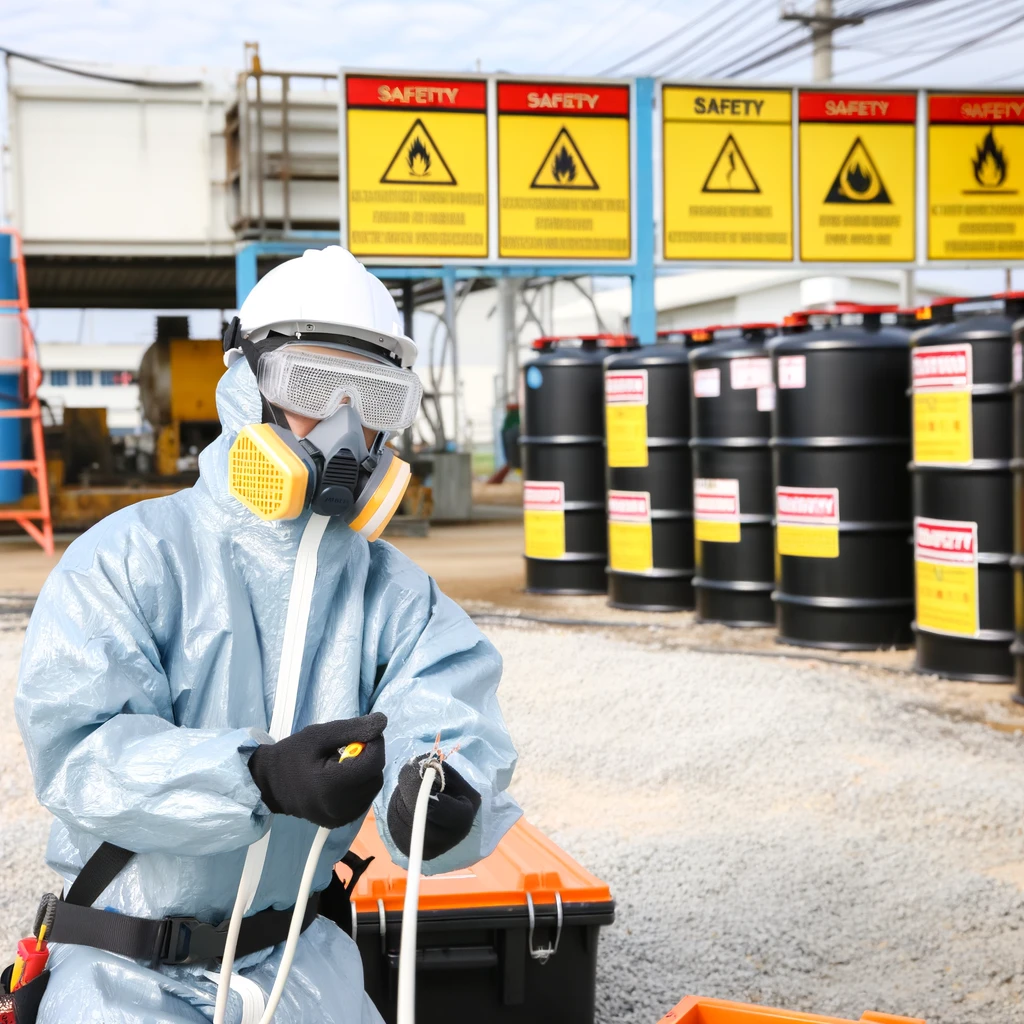
- Do wear personal protective equipment (PPE): Always wear appropriate PPE, such as flame-resistant clothing, safety goggles, gloves, and helmets.
- Do maintain a clean and organized workspace: Minimize the risk of accidents by keeping the cabling area clean, free of unnecessary materials, and well-organized.
- Do ensure proper ventilation: When working indoors or in confined spaces, ensure there is adequate ventilation to disperse harmful vapors and reduce the risk of inhalation.
Don’ts:
- Don’t use standard electrical devices and tools: Avoid the use of non-explosion-proof electrical tools and devices in zones where hazardous gases or vapors are present.
- Don’t rush the installation: Rushing can lead to shortcuts and compromises in safety protocols. Take the necessary time to follow all safety measures.
- Don’t neglect emergency procedures: Ensure all team members are familiar with emergency response procedures, including evacuation routes and emergency contacts.
Continuous Education and Safety Drills
Regular training and emergency drills are critical in maintaining safety standards and ensuring that every team member knows how to react in a crisis. Continuous education on the latest safety technologies and methods can also enhance safety.
Conclusion
Structured cabling at hazardous sites containing petroleum and explosives requires meticulous attention to safety, adherence to strict regulations, and the use of specialized equipment. By following the best practices and safety protocols outlined above, organizations can minimize risks and ensure the safety of all personnel involved in such operations.