Fibre · Buyer guide
An OTDR event appears partway along a fibre route. The number on the screen is useful, but it is not yet a marked excavation point or a complete repair quotation. Before approving a splice, access visit or replacement cable, ask how the diagnostic result has been connected to the physical route and the service you need restored.

Separate the symptom from the location
Start with the affected strands and services, when the failure began and what changed nearby. A complete outage and a high-loss but functioning link may need different work windows. Record whether the fault is suspected in the patching, a joint or the installed route, and which evidence supports that suspicion.
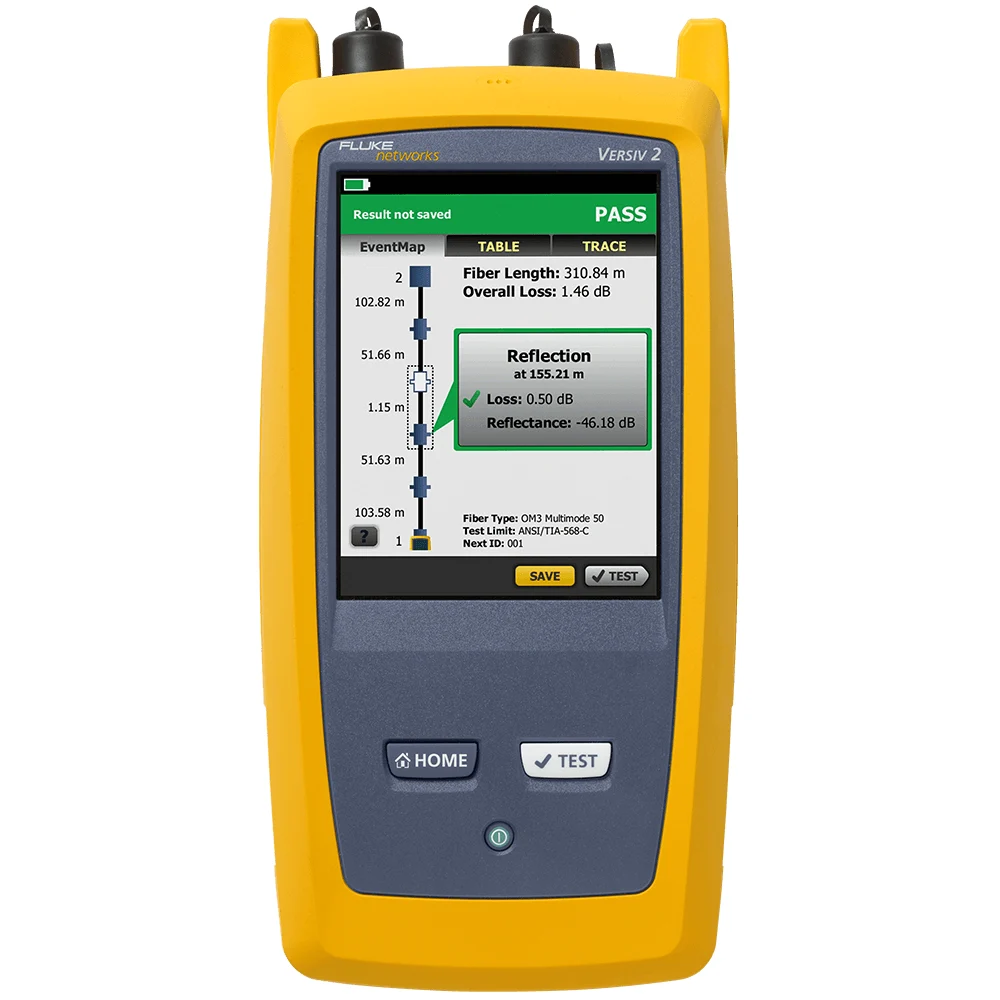
Fluke’s OptiFiber Pro documentation describes event maps, tables and traces as ways to analyse fibre runs. Those are diagnostic views of a measured link. The buyer still needs the engineer’s interpretation and route correlation before a repair location is authorised. Fluke Networks: OptiFiber Pro OTDR family
Ask for a route-correlated explanation
Request the launch/reference arrangements, fibre identification and enough test context to understand the result. Compare the indicated event with the known joints, slack storage and accessible route records. Fibre length and the distance you walk along a building or campus are not automatically interchangeable.
If the route record is incomplete, price the location-confirmation stage explicitly. An assessor should be able to say what is known, what is inferred and what further access is needed. Avoid turning a provisional diagnosis into an unconditional excavation or replacement instruction.

Compare repair and replacement on the same basis
A repair quote should define the affected fibres, joint or enclosure work, materials, access, interruption and final acceptance test. A replacement quote needs those same boundaries plus the new route and removal/making-good assumptions. Keep unaffected live fibres within an agreed protection plan.
Discuss the remaining condition of the route. An isolated damaged section and repeated damage along an unsuitable pathway are different commercial decisions. Ask the engineer to explain whether a local repair addresses the cause or only the current symptom. Do not use a blanket rule that every splice is bad or every repair is cheaper.
Close with a changed baseline
Retain the original diagnostic record, the actual repair location and the final results under the agreed method. Update strand, joint and route identifiers so the next engineer can distinguish an intentional new event from a later defect. Include service-owner confirmation where the affected application can be tested.
When briefing RIAM, provide the route drawing if available, endpoint access and the business impact. Ask for a staged scope when diagnosis is incomplete. This makes the first order useful without pretending that a desk review can determine a site-specific repair method, loss allowance or final price.
Repair decision record
Use this worksheet in the supplier discussion. Replace example entries with your project information; it is not a completed survey or approved design.
| Question | Evidence to request | Commercial effect |
|---|---|---|
| Where is the fault? | Trace context + route/joint correlation | Diagnostic visit before intrusive work |
| What can be accessed? | Permissions, joint access, live-fibre plan | Mobilisation and interruption scope |
| Does local repair address the cause? | Condition and recurring-damage explanation | Repair versus replacement boundary |
| How is completion proved? | Updated route record + agreed final tests | Acceptance and follow-up responsibility |
Questions buyers ask
Does an OTDR distance give the dig location?
Not by itself. An engineer must correlate the measurement with the physical route and access records.
Does a splice mean the whole cable must be replaced?
No. Assess the fault, route condition and agreed application limits.
Should a repair include final testing?
Specify the final test method and acceptance requirements in the order.
Can testing affect live services?
Access and disconnection must be planned with the service owner and approved method.
What if the route drawing is missing?
Identify location confirmation as a separate scoped task and retain uncertainty in the quotation.
Discuss your requirements with RIAM’s fibre team, or send a project brief. Scope, availability and commercial terms are confirmed in the project proposal.
Manufacturer references
Research checked 24 October 2026. Use the exact selected model, release and applicable project documents.